
Articles
Plant-Based Meat: Overview, Geography, Benefits, and Challenges
Plant-Based Meat: Overview, Geography, Benefits, and Challenges
Plant-Based Meat: Overview, Geography, Benefits, and Challenges
Overview
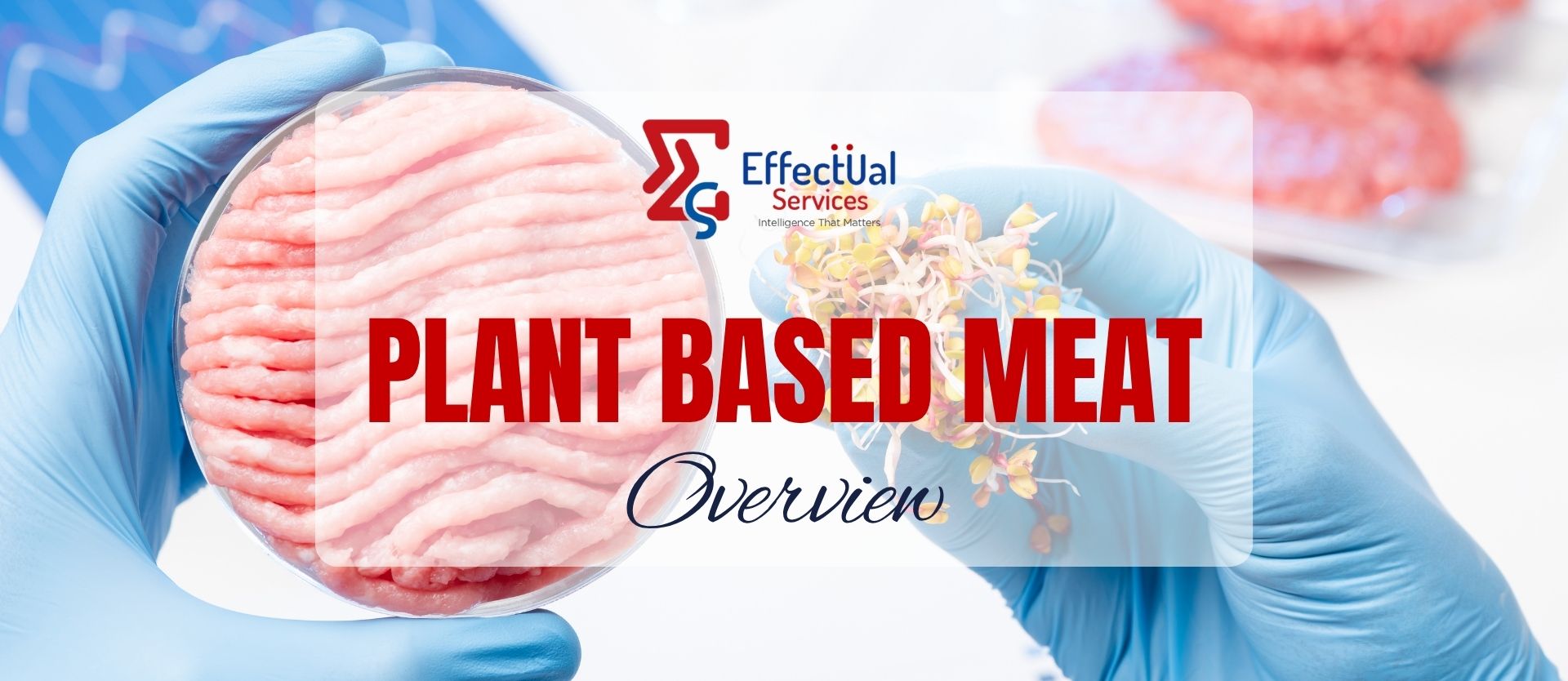
Plant-based meat refers to food products designed to imitate the taste, texture, and nutritional profile of animal meat but made entirely from plant-derived ingredients. These products are typically created using proteins from sources such as soy, peas, wheat gluten, lentils, and mushrooms, combined with fats, flavor compounds, and binders to replicate the sensory experience of meat.
Modern plant-based meat is not just a vegetarian alternative—it is a food engineering product developed using advanced techniques like extrusion technology and fermentation to closely mimic beef, chicken, or pork.
Key industry leaders include companies such as Beyond Meat and Impossible Foods, which have popularized plant-based burgers, sausages, and minced meat substitutes globally.
Geographical Distribution and Market Presence
Plant-based meat production and consumption are concentrated in regions with strong environmental awareness, technological food industries, and large urban consumer markets.
1. North America
- The United States and Canada are major hubs for innovation.
- Home to leading companies like Beyond Meat and Impossible Foods.
- High adoption in urban areas, especially among flexitarians and health-conscious consumers.
2. Europe
- Countries like the United Kingdom, Germany, the Netherlands, and Sweden show strong demand.
- Europe emphasizes sustainability and climate-friendly diets.
- Many supermarket chains now stock plant-based meat as standard offerings.
3. Asia-Pacific
- Rapidly growing market due to population size and dietary shifts.
- China is investing heavily in alternative protein due to food security concerns.
- India shows strong potential due to large vegetarian population and dairy/meat alternatives demand.
4. Latin America
- Brazil and Argentina are emerging markets, particularly driven by environmental concerns related to cattle farming.
- Soy-based products are widely available due to regional soybean production.
5. Middle East & Africa
- Still developing markets but growing interest in urban centers like UAE and South Africa.
- Demand driven by imported products and sustainability initiatives.
Benefits of Plant-Based Meat
1. Environmental Sustainability
Plant-based meat production generally requires:
- Less land use compared to livestock farming
- Lower greenhouse gas emissions
- Reduced water consumption
This makes it a key strategy in addressing climate change and resource depletion.
2. Animal Welfare
It reduces dependence on industrial animal farming, thereby lowering animal suffering associated with conventional meat production systems.
3. Health Advantages (Potential)
Many plant-based meats:
- Contain zero cholesterol
- Have lower saturated fat levels (depending on formulation)
- Can be fortified with vitamins and minerals like B12 and iron
However, nutritional quality varies by product.
4. Food Security
Plant-based meat can help stabilize food supply chains by reducing reliance on livestock, which is vulnerable to disease outbreaks and feed shortages.
5. Innovation and Economic Growth
The sector has created a new category of food tech, driving investment, startups, and research in sustainable protein alternatives.
Challenges of Plant-Based Meat
1. Taste and Texture Acceptance
Although products have improved significantly, some consumers still find differences in:
- Flavor authenticity
- Mouthfeel and juiciness
- Aftertaste compared to real meat
2. High Production Costs
Advanced processing and ingredient formulation can make plant-based meat more expensive than conventional meat in many markets.
3. Nutritional Concerns
Some products are:
- Highly processed
- High in sodium or additives
- Not always nutritionally superior to animal meat
This leads to debates about whether they are truly “healthy.”
4. Market Competition
Plant-based meat competes with:
- Traditional livestock industries
- Lab-grown (cultivated) meat technologies
- Other plant protein foods like tofu and tempeh
5. Consumer Perception
Barriers include:
- Skepticism toward “ultra-processed” foods
- Cultural preference for traditional meat
- Misunderstanding of ingredients and safety
6. Supply Chain and Scaling Issues
Scaling production globally while maintaining cost efficiency and consistent quality remains a major challenge for companies in the sector.
Summary
Plant-based meat represents a significant shift in global food systems, combining food science, sustainability goals, and changing consumer preferences. With strong growth in regions like North America, Europe, and parts of Asia, it is becoming a mainstream dietary option rather than a niche alternative.
However, its long-term success depends on overcoming challenges related to cost, taste, nutrition perception, and large-scale production efficiency. As technology and consumer acceptance evolve, plant-based meat is likely to remain a key component of the future protein landscape.
Solutions Driving Innovation & Intelligence


Enabling Fortune 500's, R&D Giants, Law firms, Universities, Research institutes & SME's Around The Globe Gather Intelligence That
Protects and Nurtures Innovation Through a Team of 250+ Techno Legal Professionals.